
Throughout history some of the smartest people have transformed the world through extraordinary intelligence, creativity, and groundbreaking discoveries. From Albert Einstein to Stephen Hawking, these brilliant minds changed how we understand the universe. This article explores the achievements of influential scientists, mathematicians, philosophers, writers, and leaders who shaped modern knowledge, technology, and society. Discover their remarkable contributions and learn how their ideas continue to influence our lives today. Read on to explore these 20 extraordinary minds and their lasting legacies.
Table of Contents
The Most Brilliant Minds in History
The smartest people in history, including Albert Einstein and Isaac Newton, transformed science through exceptional intelligence and innovative thinking. These brilliant minds made major strides in scientific discoveries and introduced world changing ideas. Their intellectual achievements reshaped human understanding and established them as influential historical figures.
Throughout the history of science, world renowned geniuses made revolutionary discoveries and groundbreaking contributions that advanced human knowledge. Their scientific advancements and transformative ideas inspired brilliant thinkers to explore new possibilities. Their intellectual legacy continues to influence scientific progress human understanding and the way we view the world.
1. Albert Einstein
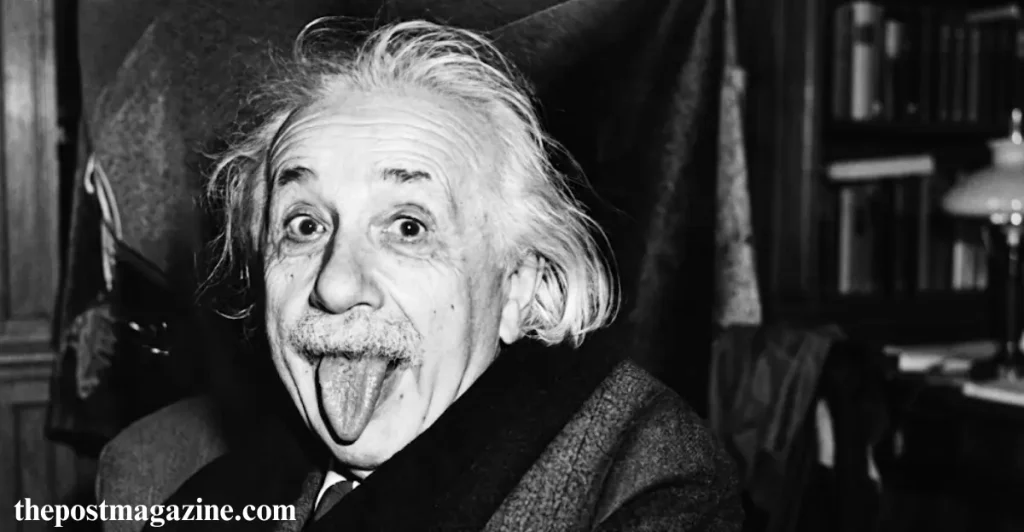
Albert Einstein, a German-born theoretical physicist, became one of history’s most influential scientific thinkers. His theory of relativity transformed our understanding of space, time and gravity while his famous equation E = mc² revealed the relationship between mass and energy changing the foundations of modern physics.
Einstein also contributed to quantum mechanics through his explanation of the photoelectric effect, earning the 1921 Nobel Prize in Physics. His discoveries influenced generations of scientists, advanced our understanding of the universe, and demonstrated how critical thinking and challenging traditional ideas can reshape scientific knowledge and human progress.
2. Stephen Hawking
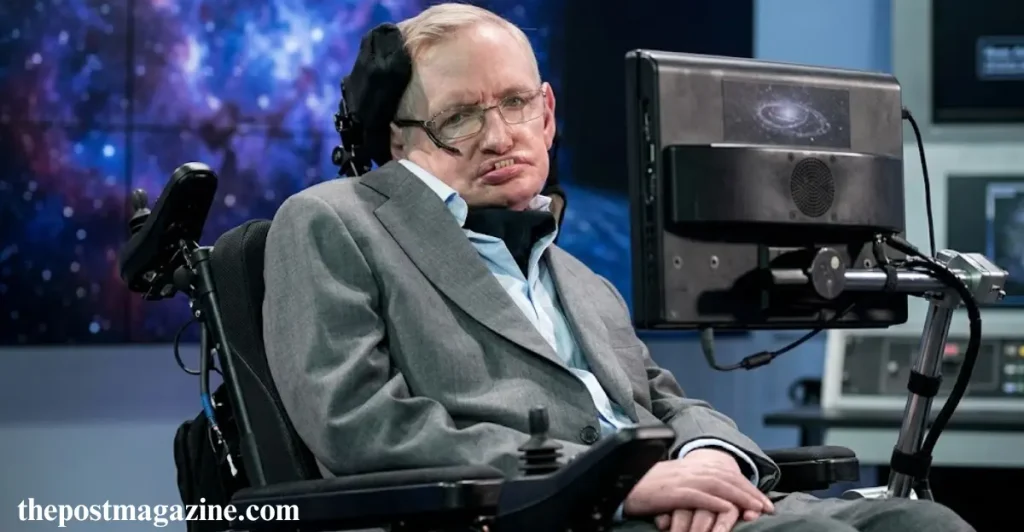
Stephen Hawking was an English theoretical physicist and cosmologist who transformed our understanding of the universe through his research on black holes, space and time. Despite being diagnosed with amyotrophic lateral sclerosis at age 21, a neurodegenerative disease that gradually limited his movement he continued exploring complex questions about the origins and nature of the cosmos.
Hawking became widely known for proposing Hawking radiation, the theory that black holes can emit radiation and gradually lose energy. His work connected quantum mechanics with black hole physics, opening new paths in theoretical physics and cosmology. Through his scientific discoveries and popular books, he made complex ideas about the universe more accessible to readers worldwide.
3. Alan Turing

Alan Turing was a brilliant mathematician and computer scientist whose groundbreaking ideas helped shape modern computing. During World War II, he played a crucial role in breaking Nazi Germany’s Enigma codes helping Allied forces decipher encrypted military communications and contributing to the war effort.
Turing’s work on theoretical computing laid important foundations for modern computers and artificial intelligence. Despite his extraordinary achievements, he faced persecution because of his homosexuality and died in 1954 from cyanide poisoning ruled a suicide. His legacy continues to influence computer science, cryptography, and the development of intelligent machines.
4. Aristotle
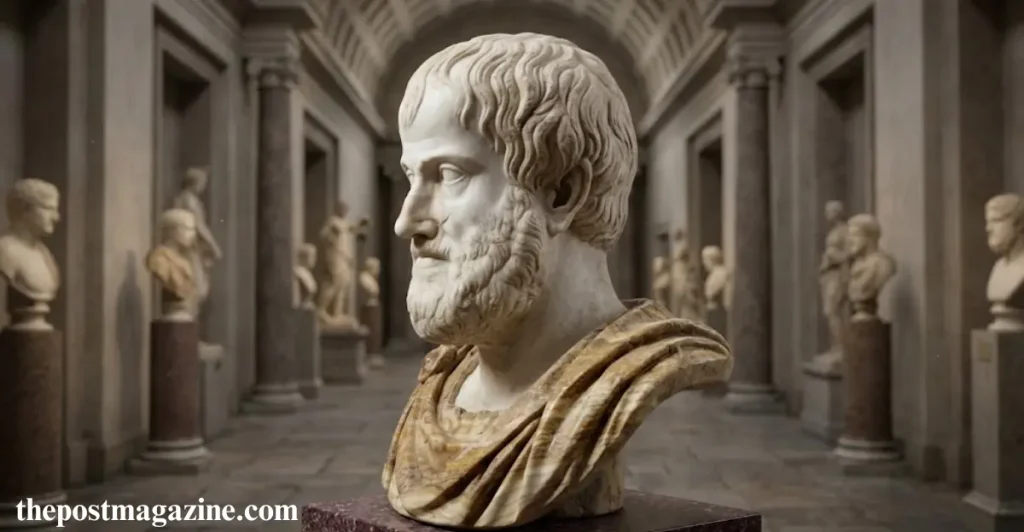
Aristotle was an ancient Greek philosopher whose ideas shaped numerous fields, including philosophy, politics, economics, psychology, linguistics, and natural sciences. As a student of Plato, who studied under Socrates, he developed a systematic approach to understanding human behavior, nature, logic, and society.
Aristotle’s work established important foundations for Western philosophy scientific observation, and logical reasoning. His writings influenced generations of scholars and helped shape education political theory, and ethical thought. By exploring diverse subjects through observation and critical analysis, he became one of history’s most influential thinkers.
5. Johann Wolfgang von Goethe
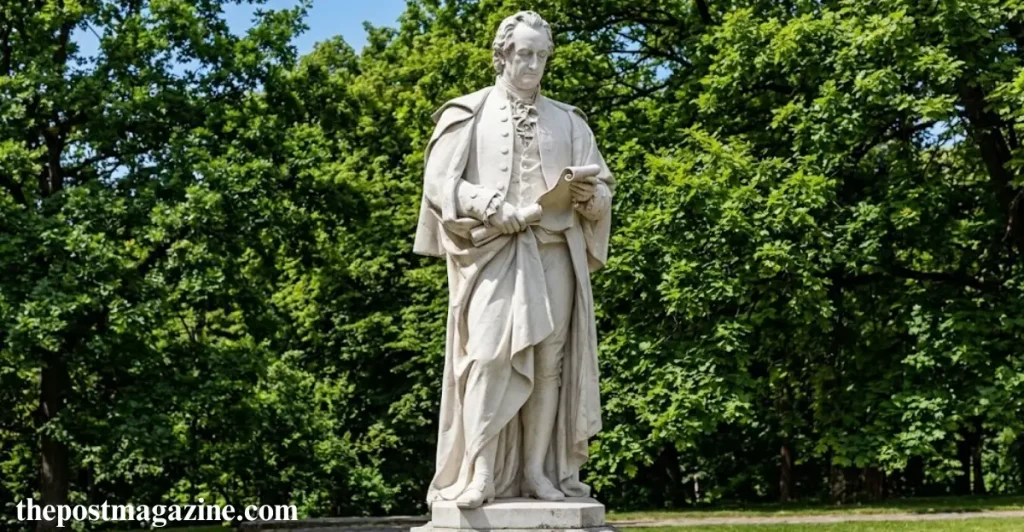
Johann Wolfgang von Goethe was a German poet playwright, novelist, and scientist whose creativity made him one of Europe’s most influential literary figures. Often compared to William Shakespeare, he gained recognition for masterpieces such as The Sorrows of Young Werther and Faust, which explored human emotions, ambition, and the complexities of life.
Beyond literature, Goethe studied botany, anatomy, and optics, demonstrating a deep interest in understanding the natural world. His contributions to German literature, scientific observation, and philosophical thought reflected his wide-ranging intellectual curiosity, leaving a lasting influence on writers, artists, and scholars across generations.
6. Galileo Galilei
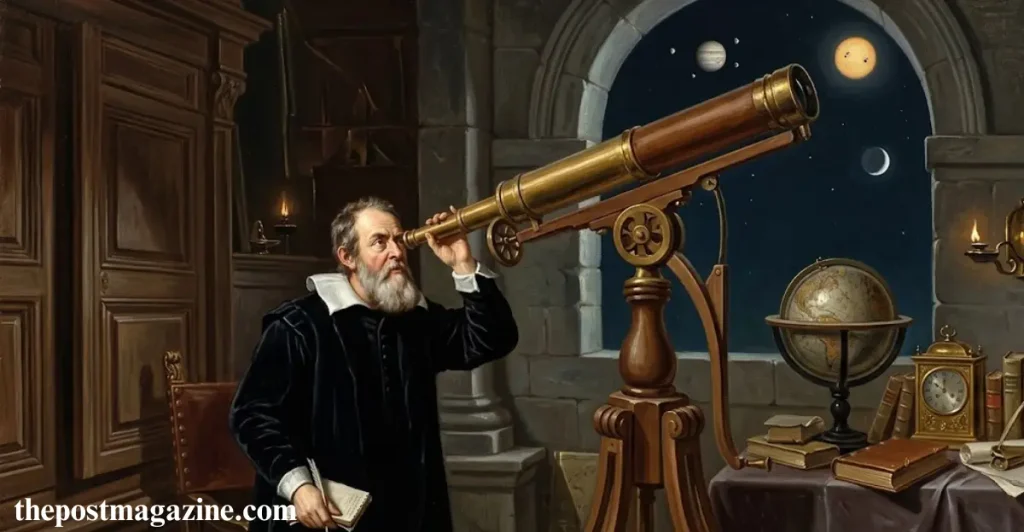
Galileo Galilei was an Italian astronomer, physicist, and engineer whose observations transformed the study of the universe. By improving the telescope and observing celestial bodies, he discovered Jupiter’s four largest moons and gathered evidence supporting the heliocentric model which places the Sun at the center of the planetary system.
Galileo’s discoveries challenged traditional beliefs and strengthened the role of observation and experimentation in modern science. His research on motion, astronomy, and physics helped establish the scientific method, influencing generations of scientists. His legacy demonstrates how questioning accepted ideas and relying on evidence can reshape humanity’s understanding of the natural world.
7. Marie Curie
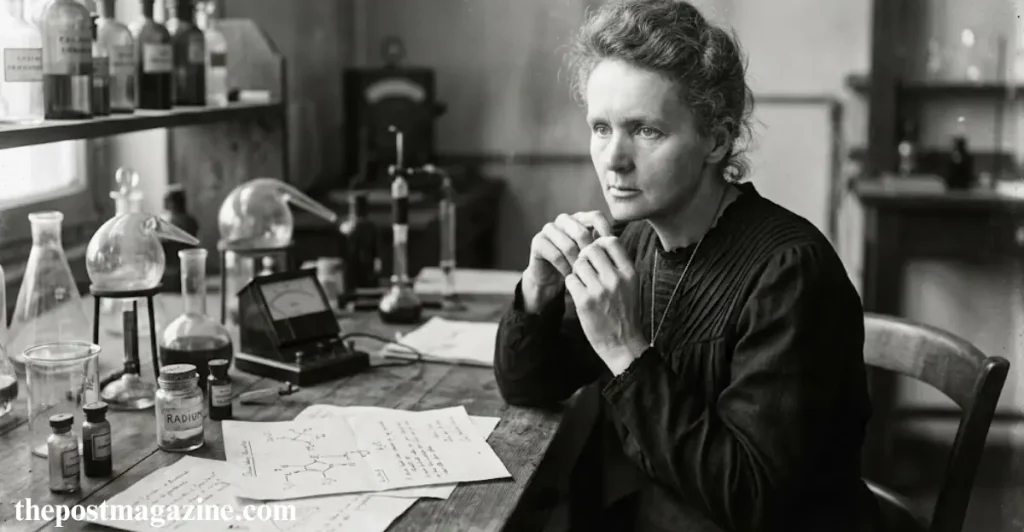
Marie Curie was a Polish born physicist and chemist whose groundbreaking research on radioactivity transformed scientific knowledge. Alongside Pierre Curie, she discovered two chemical elements, polonium and radium, contributing to major advances in chemistry and physics and opening new paths for studying radioactive materials.
Curie became the first woman to win a Nobel Prize and remains the only person to receive Nobel Prizes in two different scientific fields, Physics in 1903 and Chemistry in 1911. Her discoveries influenced medical research, radiation science, and cancer treatment, while her achievements challenged barriers for women in science and inspired generations of researchers.
8. Plato
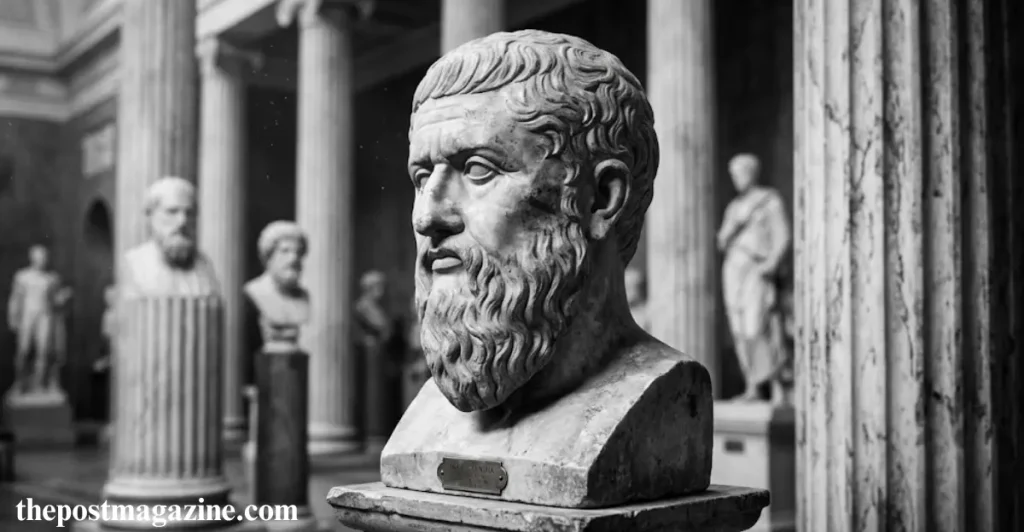
Plato was an ancient Greek philosopher and a student of Socrates who later became the teacher of Aristotle. His influential ideas explored justice, knowledge, ethics, politics, and human nature, shaping the foundations of Western philosophy and encouraging people to question assumptions through reason and critical thinking.
Plato founded the Academy in Athens, an important center of learning often regarded as one of the earliest institutions of higher education in the Western world. Through his philosophical dialogues and teachings, he influenced generations of scholars and helped shape educational traditions, political theory, and philosophical debate that continue to inspire intellectual inquiry today.
9. Isaac Newton
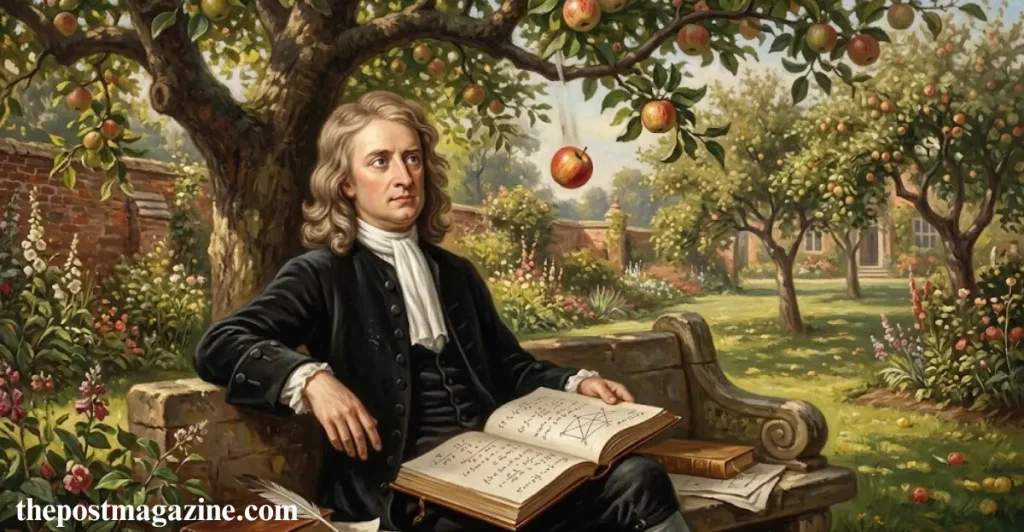
Isaac Newton was an English physicist and mathematician whose discoveries transformed our understanding of the natural world. He developed the three laws of motion, explaining how forces affect the movement of objects, and formulated the law of universal gravitation, establishing fundamental principles of classical physics.
Newton also made significant contributions to optics and mathematics, particularly through his development of calculus. His research helped scientists explain planetary motion, mechanical systems, and the behavior of light, laying foundations for modern engineering and scientific research. His ideas shaped physics for centuries and remain essential to understanding how the physical world works.
10. Leonardo da Vinci
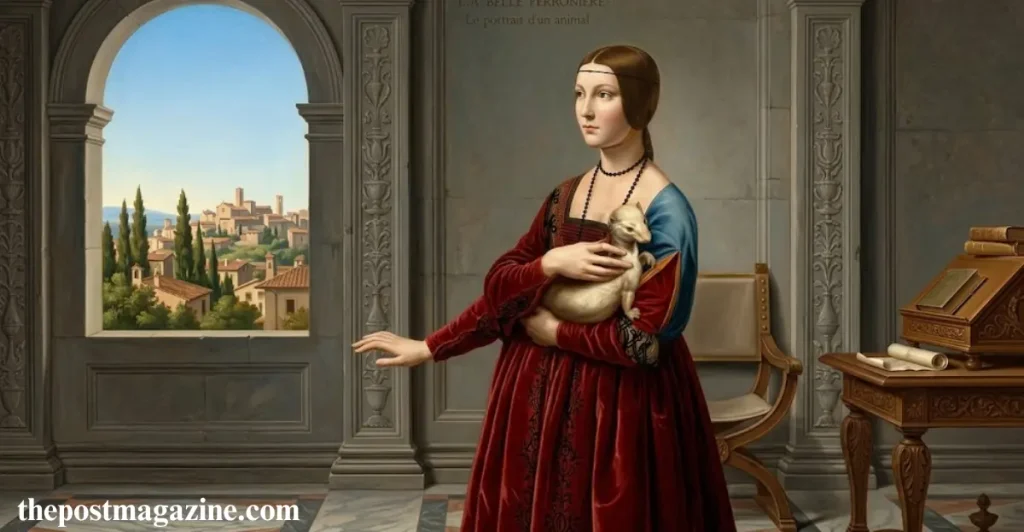
Leonardo da Vinci was an Italian artist, inventor and scientist celebrated for masterpieces such as the Mona Lisa and the last supper. Beyond painting, his curiosity led him to explore engineering, anatomy, mathematics, and natural sciences, making him a remarkable example of a Renaissance thinker who combined artistic creativity with scientific observation.
Da Vinci conducted detailed studies of the human brain, muscles, and internal organs, producing anatomical drawings that advanced the understanding of human physiology. His notebooks also contained innovative machine designs and observations of nature, demonstrating his commitment to experimentation and discovery. His work continues to inspire artists, scientists, and inventors across diverse fields.
11. Gottfried Wilhelm Leibniz
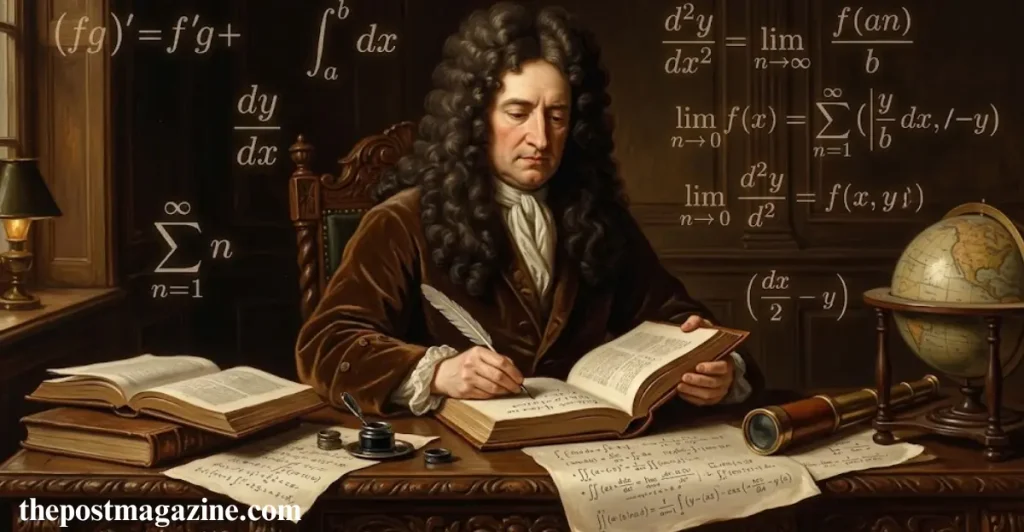
Gottfried Wilhelm Leibniz was a German mathematician, philosopher, and scientist whose ideas influenced mathematics and Western philosophy during the 17th and 18th centuries. He developed important concepts in metaphysics, epistemology, and logic, exploring how knowledge is acquired and how reasoning can explain complex questions about reality.
Leibniz independently developed calculus around the same period as Isaac Newton, introducing mathematical notation that remains widely used today. His contributions to binary arithmetic, symbolic logic, and mathematical reasoning helped shape later developments in computing and science. His intellectual legacy demonstrates how abstract ideas can become foundations for major scientific and technological advances.
12. Voltaire

Voltaire, born François-Marie Arouet, was a French writer and philosopher who became a leading figure of the Enlightenment. Through essays, fiction, satire, and political commentary, he challenged established authority and encouraged freedom of thought, religious tolerance, and reason. His sharp writing helped inspire debates about individual rights and social reform.
Among his best known works are Letters on the English (Lettres Philosophiques) and the satirical novel Candide, which criticized intolerance and human folly. Voltaire’s ideas influenced intellectual discussions across Europe and contributed to the development of modern thought demonstrating how literature and critical reasoning can question powerful institutions and shape society.
13. Hypatia
Hypatia was an ancient Greek mathematician, astronomer, and philosopher who lived in Alexandria, Egypt, a major center of learning in the ancient world. Influenced by classical Greek scholarship, she taught mathematics and philosophy while helping preserve and explain complex scientific ideas for future generations.
Hypatia became one of the most prominent female scholars of antiquity, contributing to the study of mathematics and astronomy through teaching and scholarly commentary. Her dedication to education, logical reasoning, and scientific inquiry challenged the limitations placed on women in her era. Today, she remains an enduring symbol of intellectual independence and women’s contributions to science.
14. Socrates
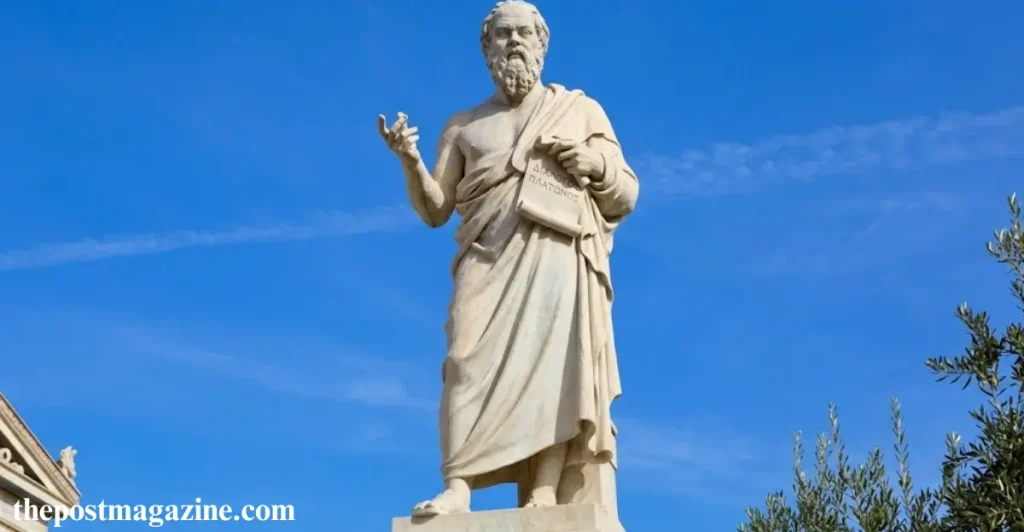
Socrates was an ancient Greek philosopher and the teacher of Plato, widely recognized for shaping Western philosophy. He focused on ethics, knowledge, and human behavior, encouraging people to examine their beliefs and question assumptions rather than accept ideas without reasoning.
His most famous contribution was the Socratic method, an approach that uses thoughtful questions and logical discussion to uncover contradictions and develop clearer understanding. Although Socrates left no written works of his own, his teachings were preserved by students such as Plato. His influence continues through modern education, ethical debates, and critical thinking.
15. William Shakespeare

William Shakespeare was an English poet and playwright whose works transformed world literature through powerful storytelling, memorable characters and deep insights into human emotions. His famous play including Romeo and Juliet, Hamlet, Macbeth, and King Lear, explore themes of love, ambition, jealousy, power, and tragedy that continue to resonate with audiences.
Shakespeare’s exceptional command of language and understanding of human behavior established him as one of the most influential literary figures in history. His plays and sonnets shaped English literature, theatre, and storytelling traditions worldwide. Although claims about his IQ of 210 lack reliable historical evidence, his enduring literary achievements demonstrate remarkable creativity and intellectual depth.
16. Srinivasan Ramanujan
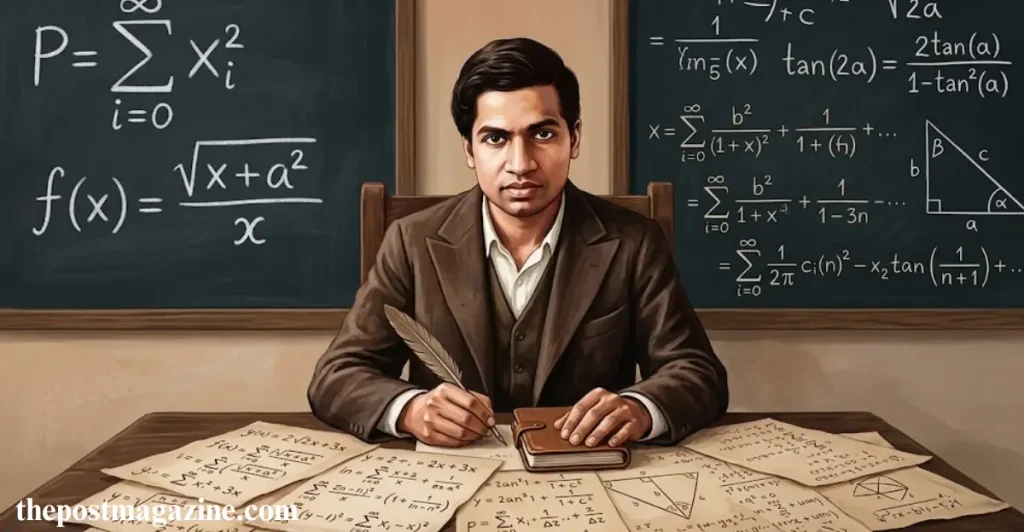
Srinivasan Ramanujan was an Indian mathematician who made remarkable contributions to number theory despite having limited access to formal education. Largely self taught, he developed an extraordinary ability to recognize mathematical patterns and produced original ideas that attracted the attention of leading mathematicians.
Ramanujan’s work explored infinite series, continued fractions, and the partition function, which describes the different ways a number can be expressed as a sum of positive integers. His collaboration with British mathematician G. H. Hardy helped bring his discoveries to international recognition. Today, his formulas continue to influence mathematical research and demonstrate the power of curiosity and independent learning.
17. Cleopatra
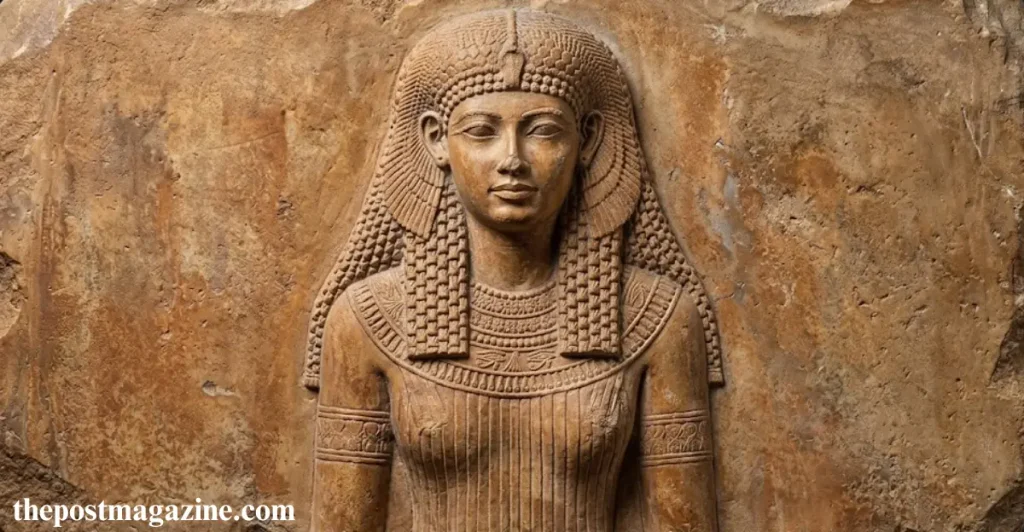
Cleopatra VII was the last active ruler of Egypt’s Ptolemaic Dynasty, remembered for her political intelligence, education, and diplomatic skills. Beyond managing her kingdom, she was associated with interests in philosophy, mathematics, and medicine, using her knowledge to navigate complex relationships with powerful Roman leaders.
Cleopatra was known for her linguistic abilities and is widely reported to have spoken Egyptian alongside Greek and several other languages, helping her communicate with different communities. Her leadership combined strategic thinking, cultural awareness, and political negotiation, making her a significant figure in ancient history. Her reign continues to attract interest in the connections between intelligence, diplomacy, and power.
18. Confucius
Confucius was an ancient Chinese philosopher and teacher whose ideas shaped Chinese culture and influenced societies across East Asia. His teachings emphasized moral character, respect for elders, personal responsibility, social harmony, and the importance of education in building a well-ordered society.
Although historical details about his life remain limited, Confucius’s philosophy was preserved through texts such as the Analects, a collection of sayings and discussions associated with him and his followers. His ideas influenced family relationships, educational traditions, and government ethics for centuries, establishing a lasting intellectual legacy centered on wisdom, integrity, and responsible leadership.
19. Leonhard Euler
Leonhard Euler was a Swiss mathematician, physicist, astronomer, and engineer whose discoveries shaped numerous branches of mathematics. He made major contributions to calculus, geometry, number theory, and mathematical analysis, developing concepts and notation that remain essential in modern mathematics and scientific research.
Euler is also associated with Euler’s identity, ei+1=0, a celebrated equation connecting five fundamental mathematical constants. His work influenced physics, engineering, astronomy, and complex number theory, demonstrating how mathematical reasoning can explain complicated natural phenomena. Despite experiencing severe vision loss later in life, he continued producing influential research and left an extraordinary intellectual legacy.
20. John von Neumann
John von Neumann was a Hungarian-American mathematician, physicist, computer scientist, and engineer whose groundbreaking ideas influenced several scientific fields. He helped develop the stored program computer architecture, in which instructions and data are kept in memory, establishing a fundamental design principle used by many modern computers.
Von Neumann also made major contributions to game theory, quantum mechanics, and mathematical economics, providing tools for analyzing strategic decisions and complex systems. His work influenced computing technology, scientific research, and nuclear strategy during the 20th century. By connecting mathematics with practical problems, he helped shape the foundations of modern computing and computational science.
Conclusion
The smartest people in history changed the world through their intelligence, discoveries, and groundbreaking ideas. From Isaac Newton and Albert Einstein to Leonardo da Vinci and Marie Curie, each made unique contributions to science, mathematics, art, and technology. Their achievements expanded human knowledge and transformed how we understand the world. Although intelligence cannot be measured by a single score, their work demonstrates the power of creativity, curiosity, and critical thinking. Their legacies continue to inspire new generations to explore, learn, and make a difference.
FAQs
Who is the smartest person in history?
There is no universally accepted answer, but Albert Einstein, Isaac Newton, and Leonardo da Vinci are often considered among the smartest people in history because of their extraordinary discoveries and intellectual achievements.
Who had the highest IQ in history?
No verified record identifies the person with the highest IQ in history. Many IQ scores attributed to historical geniuses are speculative because they never took standardized intelligence tests.
Was Albert Einstein the smartest person ever?
Albert Einstein was one of the most influential scientists in history. His theories of relativity transformed our understanding of space, time, gravity, and the universe, although his intelligence cannot be definitively ranked above everyone else’s.
Who was smarter, Isaac Newton or Albert Einstein?
Both were exceptional scientists who changed our understanding of the universe. Newton developed the laws of motion and universal gravitation, while Einstein revolutionized physics through relativity. Their achievements are different, making a direct intelligence comparison difficult.
Who were the smartest women in history?
Marie Curie, Ada Lovelace, and Emmy Neither are recognized among history’s brilliant women. Their groundbreaking contributions to physics, computing, and mathematics advanced scientific knowledge and influenced generations of researchers.